Interviews and Other Clergy News
Interview with Fr. Dennis Marzan, S.J.
To begin, can you tell us a little about yourself and your background?
I was born in Manila and came to the United States with my family at 12. I spent time in both the Bay Area and Southern California, then attended the University of San Francisco, where I met the Jesuits — Father Tom was one of my professors. Before entering the Society in 2016, I spent over a decade in the non-profit sector, most recently at a community-based employment non-profit in San Francisco.
When did you first sense that God might be calling you to the priesthood?
I’d been interested in religion and spirituality most of my life, but I first felt a serious pull toward religious life in 2013, two years after my mother’s stroke and recovery. Her recovery prompted a deep examination of my life, and I recognized God’s presence, especially in the hardest moments. Moved by gratitude, I asked what I could do to give back, and learned that God takes that question seriously. Soon after, I began to feel drawn to religious life, which eventually led me to the Jesuits and the novitiate in Culver City.
You entered the Church through the Byzantine Rite. Can you tell us a little about this tradition and what drew you to it?
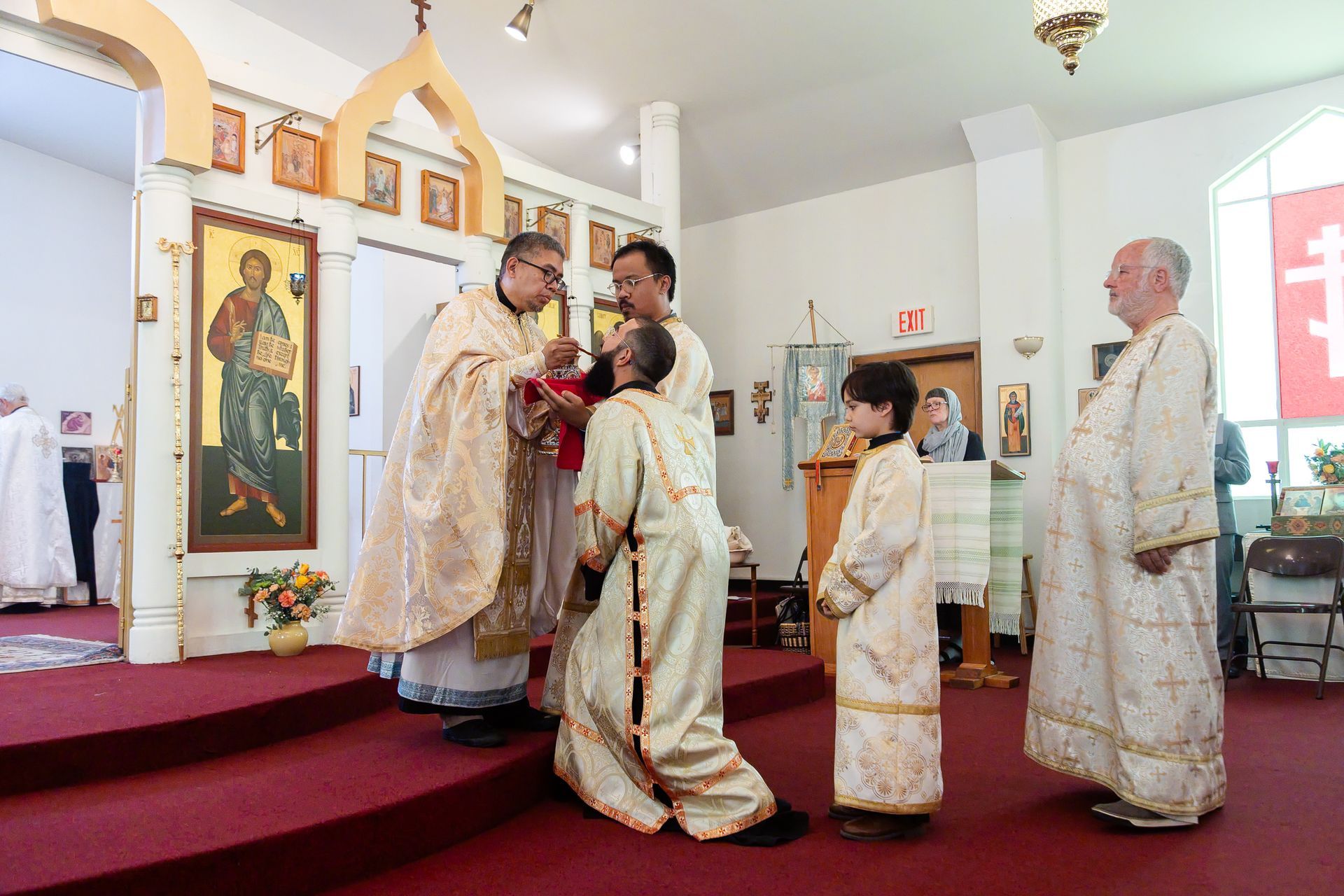
I belong to the Russian Greek-Catholic Church, one of the smallest Byzantine-rite churches in the Catholic communion — only six parishes exist worldwide. I was introduced to the San Francisco parish through Father Mark Ciccone, SJ, whom I met at USF in 1998 and who was its pastor at the time. I became a regular in 2007 and formally transferred from the Roman Catholic Church in 2012.
What drew me in was the community — small, but welcoming, and patient with every question I had about the Divine Liturgy and Byzantine tradition. From there, I grew to love the liturgy itself and then its theology. It’s tempting to say Byzantine theology is mystical and Latin theology scholastic, but really, both traditions hold elements of each — there’s more that unites them than divides them.
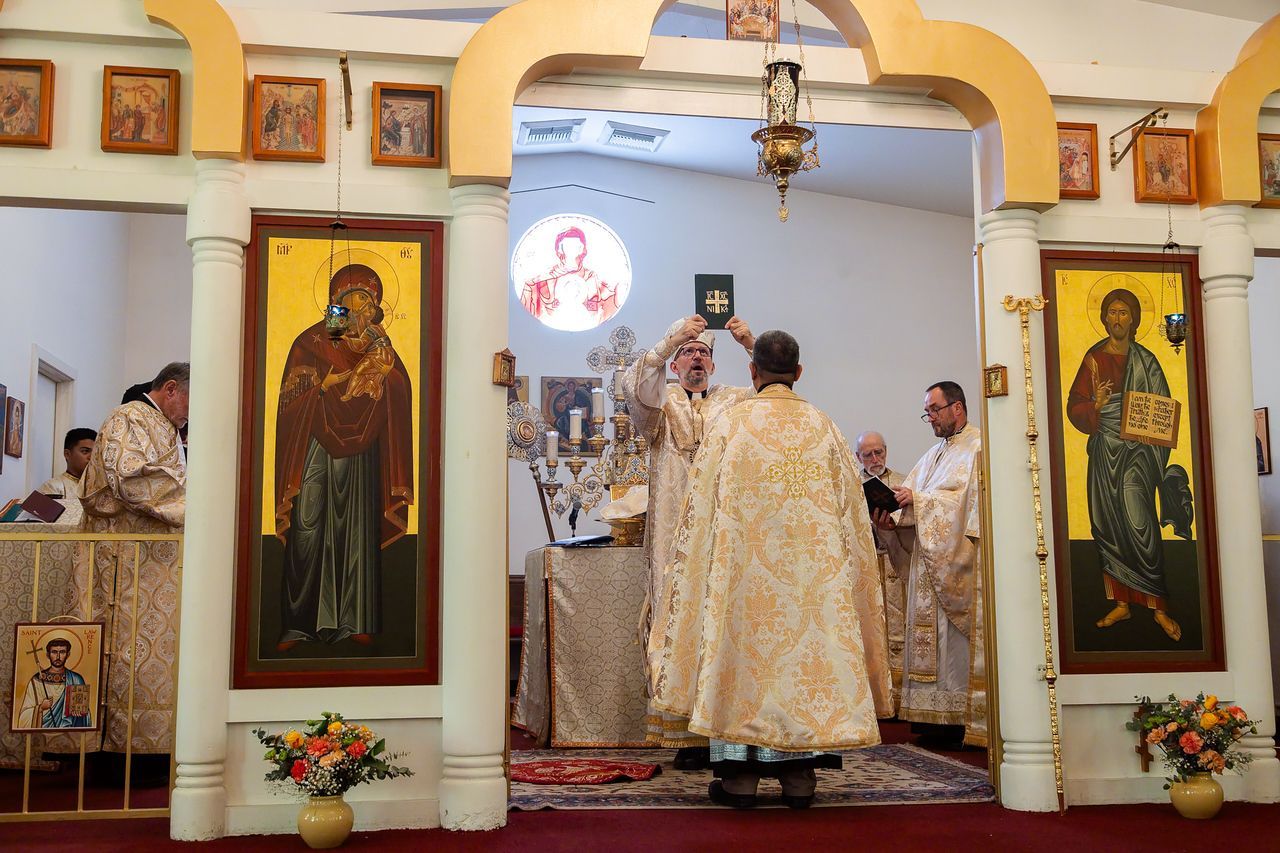
The Byzantine Rite also draws on the traditions of the Church of Constantinople and the Eastern Roman Empire, so it’s marked by elaborate ceremony compared to the austere simplicity of the Roman Rite. The vestments, icons, incense, and music engage all the senses in the worship of the Triune God.
What were some of the most meaningful or memorable experiences during your formation?
A month in Alaska as a novice left a strong impression: the hardiness of the native Yupik people, but even more their kindness and generosity. One elder told me, “If you go out expecting something, you’ll come back with nothing. If you go out expecting nothing, you’ll come back with everything.” I’ve held on to that lesson in humility ever since.
Hospital ministry was just as formative. I spent a month as a novice visiting patients at Saint Francis Medical Center in Lynwood, and I fell in love with it. Through my supervisors, the patients, and their families, I learned that I wasn’t bringing God to anyone — God was already present and at work. My task as a chaplain was to help people recognize that.
In your first impressions of St. Ignatius, what has stood out to you about our parish community?
I’ve been struck by the variety of ministries here and how fully the community owns them. The Saint Vincent de Paul Society and the mental health ministry stand out especially as two concrete ways this parish responds to the needs of the poor and to the mental health crisis in the Sacramento community.
I’ve also noticed the care that goes into every liturgy. Watching parishioners serve as sacristans. lectors, Eucharistic ministers, musicians, and Xavier ministers, I see them living out the priesthood we all share through baptism. It’s been very inspiring to watch everyone in action during Mass.
Amid the demands of a busy schedule, how do you make time for prayer?
I simply schedule my prayer — at least one period first thing in the morning and one at night. In between, I steal whatever quiet moments the day offers; a few minutes with Jesus here and there is far better than none.
When things get especially busy, I simplify my prayer. The Byzantine tradition helps here — I lean on the Jesus Prayer to keep my heart and mind on Jesus as I move through the day’s tasks.
Congratulations Fr. Tom!
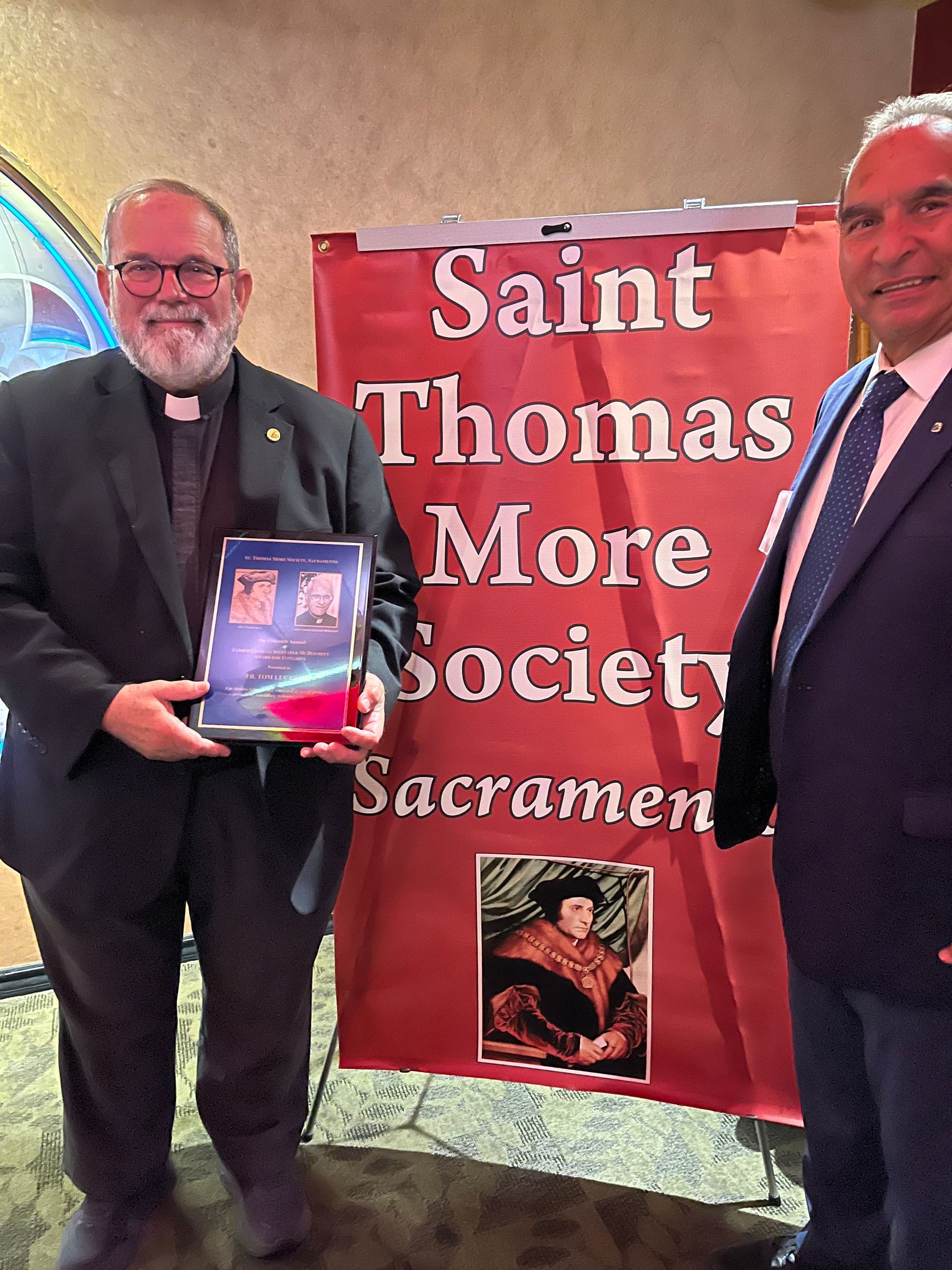
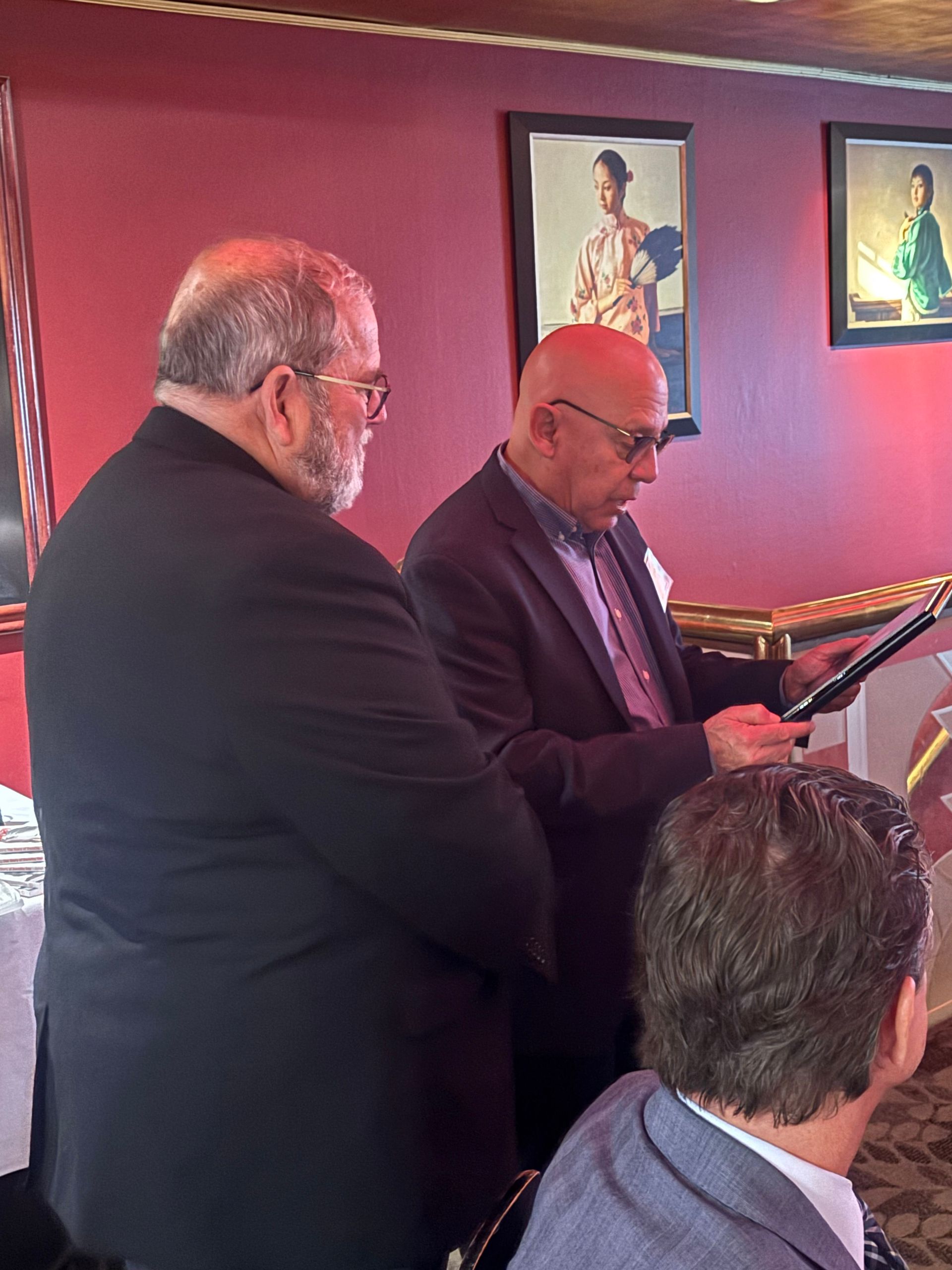
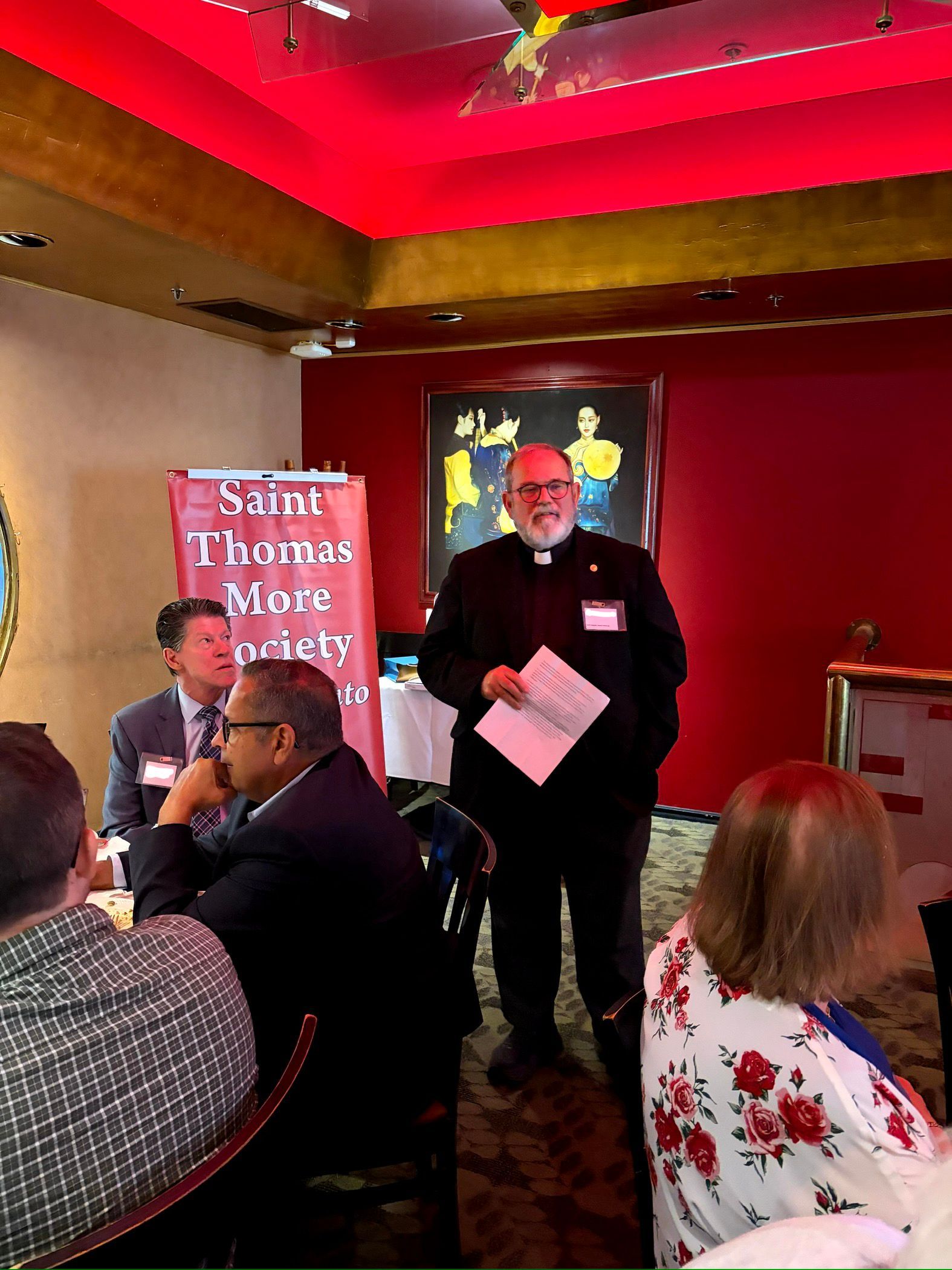
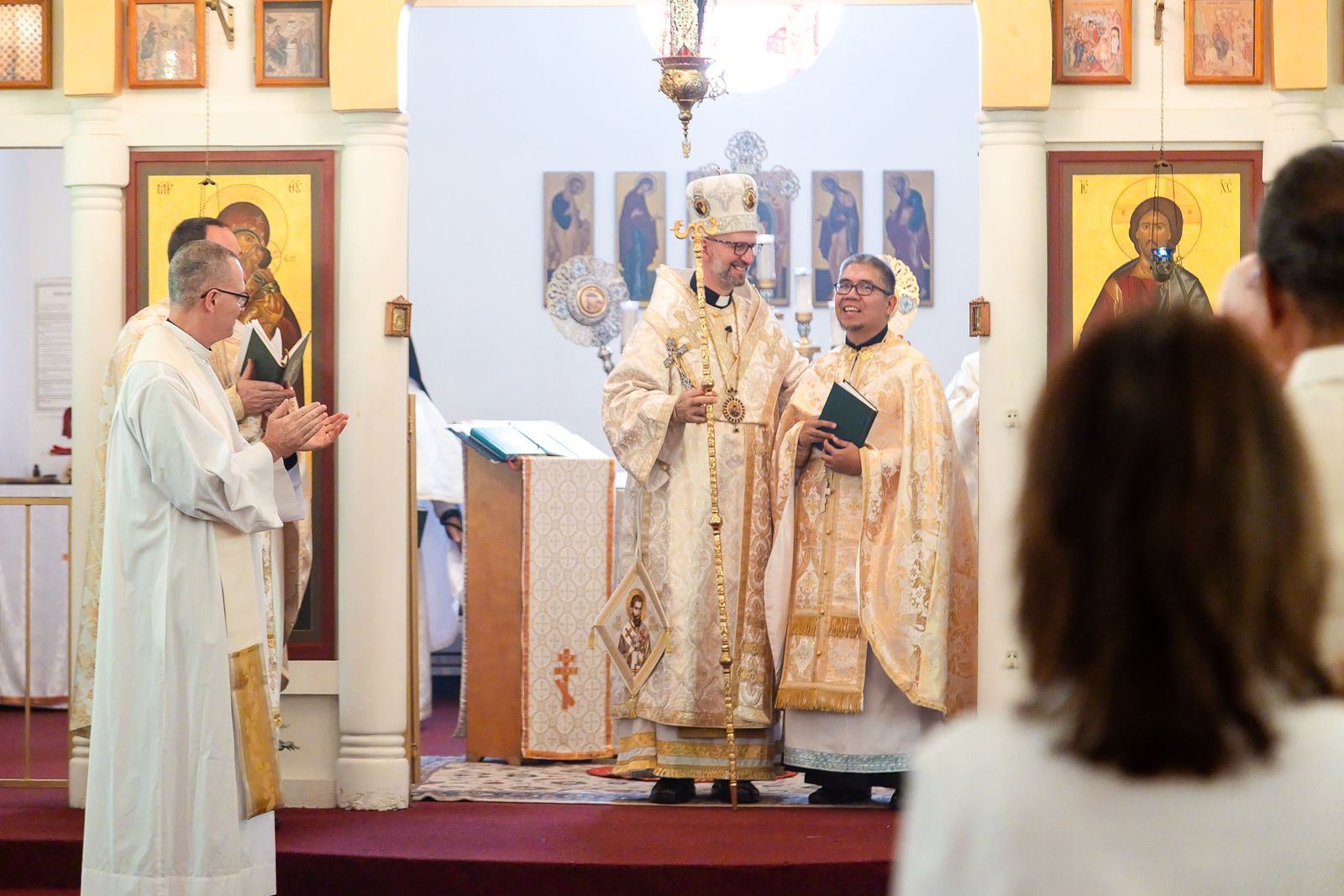
On June 24th, Fr. Tom Lucas, S.J., was honored by the St. Thomas More Society of Sacramento with its 15th Annual Father Charles Sylvester McDermott Award for Integrity. The award recognizes individuals whose lives exemplify integrity, service, and a commitment to justice.
In presenting the award, attorney and past recipient Deacon Sergio Diaz acknowledged Fr. Tom’s distinguished career as a Jesuit priest, educator, artist, and scholar, but said the real reason for the evening was “Fr. Tom’s heart, his daily walk with Christ, and his lived example of Gospel values.” Diaz highlighted Fr. Tom’s unwavering commitment to the poor, immigrants, those facing mental health challenges, families facing addiction, and those on the margins. He noted that after becoming pastor of St. Ignatius, Fr. Tom chose not to let the parish’s financial challenges limit its outreach. Instead, he revitalized the St. Vincent de Paul Society, directing significant parish resources toward rental and utility assistance, food, furniture, and other essentials to help struggling families regain stability.
Deacon Sergio praised Fr. Tom for extending reach outside the parish walls and his encouraging parishioners to put their faith into action. “It is truly magical and wonderful to experience the countless devoted parishioners setting their own concerns aside to encounter Christ disguised among our less fortunate brothers and sisters.”
We congratulate Fr. Tom on this well-deserved honor.